How to Choose China Best Carpet Colors That Hide Dirt?

Time:2026-11-03 Author:Sophia
0%

Choosing a carpet for a busy home means balancing appearance, comfort, and everyday upkeep. In China, sunlight, flooring, room size, and household routines can differ greatly from one home to another. A shade that looks warm in a showroom may appear pale beside dark wood floors or under cool LED lighting. Small details matter.

This guide explores how to choose a carpet color that hides dirt without making a room feel dull. Medium tones such as taupe, greige, muted brown, and charcoal often disguise dust and everyday footprints better than very light, solid colors. Subtle flecks or blended patterns can help, too. They break up the appearance of small marks without dominating the room. No color hides everything.

Color is only part of the decision. Carpet fiber, pile height, and cleaning instructions affect how well a carpet handles spills, dust, and regular foot traffic. A low-pile style may suit a busy entryway, while a softer texture might feel better in a bedroom. Compare samples in the actual room, ideally in both daylight and evening light. Online images can be misleading, and a small sample may not show the full effect. I would not ignore that limitation. The recommendations ahead offer practical starting points, not a guarantee that dirt will disappear. A realistic choice should suit the home, the lighting, and the time available for care.
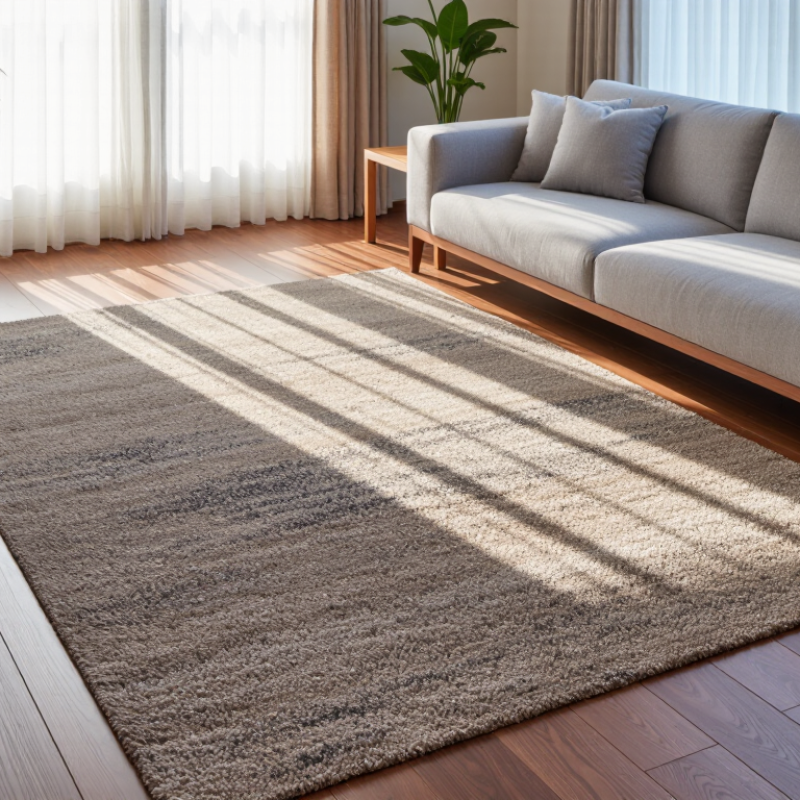
How to Choose China Best Carpet Colors That Hide Dirt?

Factors That Determine How Well Carpet Colors Hide Dirt

Carpet color hides dirt through contrast, not magic. The Carpet and Rug Institute’s maintenance guidance estimates that about 80% of carpet soil is dry particulate, while roughly 20% is oily soil. Pale grit can stand out on dark pile; oily residue may make light fibers look gray. Those proportions are a useful guide, not a guarantee. Shoes, cooking, and local traffic change what lands on the floor.

Color depth and pattern matter. A mid-tone heathered carpet, blending gray and brown fibers, can disguise scattered crumbs better than flat ivory or deep navy. ASTM D6540 provides a standardized method for accelerating carpet soiling and comparing appearance changes after exposure. It helps laboratories assess samples under controlled conditions, but it does not identify one universally best shade. Lighting matters. A color that looks forgiving in a showroom may reveal every mark beside a sunny window.

Fiber texture and pile also affect visibility. Textured, multi-tone fibers break up outlines; smooth, uniform surfaces can make small stains easier to spot. Before choosing, place a sample where the carpet will be used and inspect it in daylight and evening light. Add a little tracked-in dust, then vacuum it. That test is imperfect, but more useful than judging a tiny swatch under store lighting.

How to Choose China’s Best Carpet Colors That Hide Dirt

Factors That Determine How Well Carpet Colors Hide Dirt

How to read this chart: Lower contrast generally makes dirt less noticeable. Medium brown blends with dry soil, while charcoal has low contrast with dark tracked-in soil but high contrast with light dust. A medium greige can offer a more balanced choice across different dirt types.

Values are approximate luminance differences, in percentage points, calculated from representative sRGB color samples. They illustrate color contrast, not measured cleaning performance. Carpet texture, lighting, and the actual dirt color also affect visibility.

How Soil Type and Room Use Influence Carpet Color

Carpet color works best when it reflects the dirt your household actually brings indoors. In dusty urban areas, pale gray grit can disappear into heathered gray or taupe. Garden soil and wet footprints may leave darker, rusty marks, which blend more easily with muted brown or charcoal. Not always. Flat cream shows traffic quickly, while very dark carpet can reveal lint and pale dust.

Room use matters just as much. Entryways and family rooms usually collect more grit, so mixed tones and subtle patterns can hide everyday marks between cleanings. Bedrooms often see less tracked-in soil, making softer, lighter shades more practical. In kitchens or near balconies, consider whether damp shoes or spilled drinks are common; color cannot hide every stain. Check a carpet sample beside the doorway and in daylight, then look at it after a few days of normal use. It is easy to choose a shade from a small showroom swatch and regret it at home. The actual dust may be different.

How to Choose China Best Carpet Colors That Hide Dirt? – How Soil Type and Room Use Influence Carpet Color

Typical Soil or Mess Room Use Practical Carpet Colors Why They Can Work Colors or Styles to Consider Carefully
Fine grey road dust and general urban dust Entryway, hallway, or living room near an exterior door Medium grey, greige, taupe, or a subtle grey-and-beige blend Mid-value neutrals are less likely than very light or very dark solids to show everyday dust immediately. A small-scale pattern can make scattered particles less noticeable. Pure white may show grey dust; solid black can show pale dust and lint.
Reddish or orange-brown soil tracked in from outdoor areas Entryway, family room, or ground-floor corridor Warm brown, muted rust, camel, or a mixed earthy pattern Warm, varied tones can visually blend with some reddish soil while keeping the overall floor appearance balanced. Very pale cream may show coloured soil clearly. Test a sample, since local soil shades vary.
Pale sandy soil or light-coloured dust Balcony access, sunroom, or a room connected to a courtyard Medium beige, taupe, oatmeal, or beige with a low-contrast pattern These colours can make light particles less conspicuous than a dark, solid carpet. Dark navy, charcoal, and black may make pale grit and dust easier to see.
Dark garden soil, mud, or damp footprints Entrance or any room with frequent outdoor access Medium-to-dark brown, charcoal-brown, or a multicolour heathered style Variegated tones can disguise small amounts of tracked-in soil between cleanings; a washable entrance mat also helps reduce transfer. Very light, solid colours can show muddy marks. Carpet colour does not prevent moisture or soil damage.
Food crumbs and occasional drink spills Dining area, family room, or children’s play space Medium taupe, warm grey, or a small-scale pattern with several related tones A restrained pattern can make crumbs and minor day-to-day marks less prominent than on a plain, pale surface. Near-white carpet can show food stains; very dark carpet may show crumbs and lint. Choose a cleanable construction for spill-prone areas.
Pet hair and lint, which may contrast with the carpet Living room, bedroom, or pet resting area A heathered or mixed colour close to the predominant hair colour Matching the floor tone to the most common hair colour can reduce visible contrast. Regular vacuuming is still needed. One flat colour may make contrasting hair stand out; consider the pet’s coat colour before choosing.
Frequent foot traffic and mixed everyday dirt Main hallway, stairs, or busy shared living area Medium-value heathered grey, brown, or greige Blended yarn colours can soften the appearance of uneven wear and small amounts of soil compared with a uniform, very light colour. Very light solids show marks readily; very dark solids can reveal dust, lint, and light-coloured fibres.
Relatively little tracked-in dirt Bedroom or low-traffic sitting area Any preferred shade, including lighter neutrals or soft colours Lower traffic generally means less soil is carried across the floor, so colour can be chosen more freely to suit the room. Consider sunlight, furniture, and cleaning needs as well as dirt concealment; colour alone does not determine durability.

Selection tip: Soil colour and lighting vary by location and home. View a carpet sample in the room, check it in daylight and evening light, and consider a medium-value, subtly patterned colour for areas with mixed dirt. Vacuuming, prompt spot cleaning, and entry mats remain important regardless of colour.

Carpet Color Families That Conceal Everyday Dirt

Mid-tone colors are often the easiest to live with. Heathered taupe, warm gray, and softly mixed brown blend with dust, crumbs, and footprints better than flat, very pale shades. Their small color variations break up visible soil. Charcoal can disguise dark marks, but it may highlight pale lint and pet hair. There is no magic shade; lighting, foot traffic, and the kind of dirt at home all matter.

Texture helps, too. A low-contrast pattern or flecked yarn can make scattered grit less noticeable between cleanings. The Carpet and Rug Institute’s carpet-maintenance guidance recommends daily vacuuming in high-traffic areas, two to three times weekly in medium-use areas, and weekly in lightly used rooms. These are useful care benchmarks, not a promise that any color stays clean. A sunny doorway may show dust differently from a dim hallway.

Tips: View a carpet sample in your room, morning and evening. Sprinkle a little dry soil on it, then check from standing height. Compare it with your pet’s fur and the lint on your usual clothing. Small test, useful answer. Choose a washable entry mat, too; even a forgiving color cannot hide every muddy footprint.

How Lighting and Fiber Type Affect Carpet Appearance

Lighting can change a carpet’s apparent color, contrast, and visible soil. The U.S. Department of Energy explains that color rendering index (CRI) runs from 0 to 100 and indicates how accurately a light source reveals colors. A high CRI can make beige look warmer and dark flecks more distinct; it does not guarantee the room will match a showroom. Warm bulbs may soften gray, while cool daylight can expose yellow undertones. Small shift, big difference. Check a carpet sample in morning light and under the room’s evening lamps before choosing.

Fiber matters, too. The Carpet and Rug Institute’s carpet maintenance guidance describes how fiber characteristics affect cleaning and wear. Nylon generally handles heavy foot traffic well, while polyester can offer vivid color but may show crushing sooner in busy areas. Olefin resists moisture, yet oily soil can cling to it. Wool has a natural, textured look, but needs care suited to its fiber. These are tendencies, not guarantees; construction and finish also change what you see. Place a sample near a doorway, then inspect it after a few days. I would not trust one quick glance—though even this test cannot mimic years of use.

Steps for Choosing and Testing Carpet Colors in China

How to Choose China’s Best Carpet Colors That Hide Dirt?

Steps for Choosing and Testing Carpet Colors in China

Start by matching the carpet color to the room’s real conditions, not a showroom display. In northern cities, dry dust may show as a pale film, while rainy southern weather can bring damp footprints indoors. Mid-tone colors, such as warm gray, taupe, or muted brown, often disguise everyday debris better than very light or very dark shades. But no color hides everything.

Check the room in morning and evening light. A beige sample can look yellow beside warm lamps, then flat beside a cool window. Ask for sample pieces and place them on the floor where the carpet will go. View them for several days. Small samples can mislead; I would not trust one quick glance.

Test them with ordinary household dirt. Sprinkle a little clean soil or lint, walk over the sample in indoor shoes, then vacuum it using your usual routine. Notice what remains, especially near doorways and dining areas. Patterns and mixed yarn tones can soften the appearance of marks, though busy designs may not suit every room. Consider cleaning frequency, pets, and furniture before deciding. A color that hides dust may still show spills. That trade-off is easy to miss.

FAQS

Which carpet colors tend to hide everyday dirt best?

Mid-tone taupe, warm gray, and mixed brown often disguise dust, crumbs, and footprints. Their color variation softens visible marks.

Does a dark carpet always look cleaner?

No. Charcoal can hide dark marks but reveal pale lint and pet hair. There is no magic shade.

Why can dirt show up differently on light and dark carpets?

Pale grit may stand out on dark fibers, while oily residue can make light fibers look gray. What gets tracked indoors matters.

Do patterns help conceal dirt?

Low-contrast patterns and flecked yarn can break up the outlines of scattered grit. Small flecks help.

How do texture and pile affect what I see?

Textured, multi-tone fibers can make small marks less obvious. Smooth, uniform surfaces may reveal them more clearly.

How should I test a carpet sample at home?

Place it in the room and check it in daylight and evening light. Add a little dry soil, then vacuum it. Imperfect, but useful.

How often should I vacuum different areas?

High-traffic areas may need daily vacuuming. Medium-use areas can need it two to three times weekly, while lightly used rooms may need it weekly.

Can a forgiving carpet color hide muddy footprints?

Not every footprint. A washable entry mat can catch some dirt before it reaches the carpet. I might still underestimate a busy doorway.

Conclusion

Choosing the right carpet color involves more than selecting a shade you like. Dirt visibility depends on the type of soil, how often the room is used, and the carpet’s texture and pattern. High-traffic areas and rooms where outdoor shoes are worn may benefit from medium tones and subtle patterns, which can disguise dust and small marks better than very light or solid dark colors. Beige, taupe, gray, and muted mixed shades are often practical choices, but the best option depends on the dirt commonly brought into your home.

To decide how to choose a carpet color that hides dirt, consider the room’s natural and artificial lighting, since colors can look different throughout the day. Fiber type and pile also affect how a carpet reflects light and shows footprints or debris. When shopping in China, compare samples in the actual room, view them under different lighting, and test how their appearance changes with everyday dust or light soil. These steps help you choose a color that suits both the space and its cleaning needs.

Sophia

Sophia

Sophia is a dedicated marketing professional with an exceptional depth of knowledge about her company's products and services. With a keen understanding of market trends and customer needs, she crafts insightful blog posts that not only inform but also engage readers, enriching the company’s online......