When setting up a home gym, one critical question arises: what is the best thickness for home gym mats? Choosing the right thickness can significantly impact your workout experience. Mats that are too thin may not provide adequate support, leading to discomfort or injury. On the other hand, overly thick mats can hinder your stability during exercises.
Many factors influence this decision. The flooring type in your gym, the exercises you plan to perform, and even your body type can all play a role. For instance, high-impact workouts may benefit from thicker mats, while yoga may require a thinner surface for better balance. Each individual’s needs can vary widely.
Understanding these nuances is essential. Many consumers report confusion over what thickness works best for them. It’s natural to feel overwhelmed when making this choice. Consulting with fitness experts or researching product reviews can help clarify these issues. Ultimately, a well-chosen mat can enhance safety and performance in your home gym.
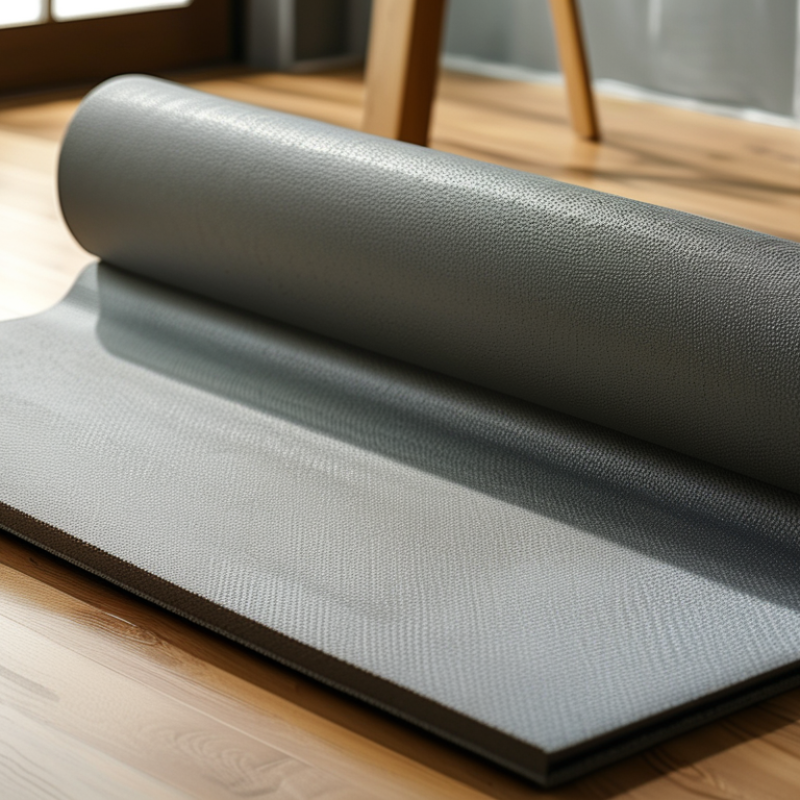
Understanding the Importance of Thickness in Gym Mats
When selecting gym mats for your home, thickness plays a significant role. The ideal thickness can enhance comfort and safety during workouts. A mat that is too thin may not provide enough cushioning for high-impact exercises. Conversely, if it’s too thick, you might lose stability. Generally, mats range from 1/4 inch to 1 inch thick, each serving different workout needs.
For activities like yoga or stretching, a thickness of 1/4 inch to 1/2 inch may suffice. Yet, for high-impact workouts, a thicker mat of up to 1 inch provides better shock absorption. This thickness prevents injuries by reducing the strain on joints. However, personal preference matters in choosing the right thickness. Some may find a thick mat restrictive, while others appreciate the added support. It’s vital to consider both your workout style and comfort level when making this decision.
Choosing the right thickness also involves testing. You may discover that what seems perfect at first isn’t truly compatible with your workouts. This means being willing to adjust your choice. Pay attention to how different mats feel during various exercises. This exploration will lead to a more satisfying workout experience. Remember, every workout is unique, and so is the mat that supports it.
Factors Influencing Gym Mat Thickness Selection
When selecting the best thickness for home gym mats, several factors come into play. The primary consideration is the type of workouts you plan to perform. For high-impact exercises like jumping or running, thicker mats offer better cushioning. A mat thickness of 1/2 inch or more is usually recommended for such activities. Conversely, for yoga or pilates, thinner mats around 1/4 inch may suffice. They provide stability without being overly cushioned.
Another important factor is the surface type of your workout space. If your floor is hard, a thicker mat may protect your joints better. However, if your flooring is already cushioned, a thinner mat might be all you need. Consider the ease of storage as well. Thicker mats tend to be bulkier and may require more space. This can be a drawback if you have a small training area.
Tips: Always test the mat by performing your key exercises before purchasing. Pay attention to how it feels underfoot. Consider your height and weight; these can influence your comfort level on different mat thicknesses. Also, remember to allow for personal preferences. Some may prefer the feel of a softer surface, while others want firm stability.
Comparing Different Thickness Levels for Various Workouts
When choosing the right thickness for home gym mats, various types of workouts demand different levels of cushioning. For standard exercises like yoga or Pilates, a mat thickness of 3 to 5 mm is often sufficient. This thickness provides enough support while allowing stability during poses and transitions. According to the International Health, Racquet & Sportsclub Association, many users favor this thickness for balance and flexibility.
On the other hand, high-impact activities such as CrossFit or HIIT typically require thicker mats, ranging from 10 to 15 mm. This extra padding helps absorb shock, reducing joint strain. A report from the American Council on Exercise highlights that thicker mats can significantly lower the risk of injuries during vigorous training. However, this comes with a trade-off: stability may be compromised during balance-focused exercises.
It's essential to consider your workout style and personal comfort when selecting mat thickness. Users often find that testing a few options can lead to discovering what suits them best. Yet, the decision may not be straightforward. Some might choose a thicker mat but struggle with balance in transitions. Others might opt for a thinner mat and experience discomfort during high-impact movements. Reflecting on these choices will lead to better training experiences.
Best Thickness for Home Gym Mats - Comparing Different Thickness Levels for Various Workouts
| Thickness (inches) |
Best For |
Pros |
Cons |
| 1/4" |
Yoga, Pilates |
Lightweight, Portable |
Less cushioning |
| 1/2" |
Bodyweight Exercises, Stretching |
Adequate cushioning, Good grip |
May be bulky |
| 3/4" |
High-Impact Workouts |
Excellent shock absorption |
Heavier, Less portable |
| 1" |
Weightlifting, Powerlifting |
Best for heavy weights |
May feel too firm for some |
Recommendations for Thickness Based on Exercise Type
Choosing the right thickness for home gym mats is crucial.
Different exercises require varying levels of support and cushioning. For high-impact activities like
jumping or
weightlifting, a thicker mat, about
3/4 inch to 1 inch, provides the necessary shock absorption.
According to a report from the American Council on Exercise, using mats with sufficient thickness can
reduce the risk of injury by over 30%. This thickness helps protect joints during intense workouts.
In contrast, for yoga or Pilates, a thinner mat of about
1/4 inch to 1/2 inch is recommended. These workouts benefit
from a firmer surface, allowing for better stability and balance. Fitness professionals suggest that
a mat too thick for yoga may lead to instability, hindering body alignment and flexibility. An
industry study conducted by the International Fitness Association noted that
40% of yoga practitioners prefer thinner mats for this reason.
While selecting mat thickness, personal preference also plays a role. Some may find a thicker mat
comfortable, while others prefer the grounded feel of a thinner option. It's important to test
different mats for the right fit. Reflecting on this choice is crucial,
as it impacts both performance and safety in your fitness journey.
Tips for Choosing the Best Gym Mat for Your Home Setup
When selecting a gym mat for your home, several factors come into play. Consider how you plan to use the mat. Activities like yoga, weight lifting, or high-intensity training each have different requirements. For yoga, a thicker mat can provide comfort. For weight training, a firmer surface is often more stable.
Thickness is a critical factor. Mats typically range from 1/4 inch to 1 inch thick. If your workouts involve more floor exercises, a thicker mat can cushion your joints effectively. However, thicker mats may feel unstable during balance exercises. It’s important to balance comfort with functionality.
Pay attention to the material as well. Options include foam, rubber, and PVC. Foam mats offer extra cushioning but may wear out faster. Rubber mats are durable and provide good traction. Yet, they can be heavier and less portable. Reflect on your space. If you have limited room, a foldable or rollable mat may be necessary. Take these details into account as you make your choice.
Best Thickness for Home Gym Mats
FAQS
: A thickness of 3 to 5 mm is often sufficient for yoga and Pilates. It provides support while allowing stability.
Thicker mats, ranging from 10 to 15 mm, absorb shock and reduce joint strain during activities like CrossFit or HIIT.
Thicker mats can compromise stability during balance-focused exercises, making transitions more challenging.
Testing different thicknesses can help you discover what feels best for your specific workout style and personal comfort.
Consider your workout type, mat thickness, material, and available space to ensure the mat meets your needs.
While thick mats can provide comfort, they may feel unstable during balance and transition exercises, affecting performance.
Available materials include foam, rubber, and PVC. Each has unique benefits, like cushioning and durability.
Thicker mats cushion joints well for floor exercises, but they can also feel less stable for balance tasks.
If space is limited, consider foldable or rollable mats for easier storage and portability.
A firmer surface often provides better stability for weight lifting, which might be a preferable choice for users.
Conclusion
When considering what is the best thickness for home gym mats, it's essential to understand the significance of thickness in relation to comfort, stability, and injury prevention. Different workouts demand varying levels of cushioning; for instance, high-impact exercises like jumping require thicker mats for better shock absorption, while activities such as yoga or Pilates may benefit from a thinner mat that provides more stability.
Factors influencing the selection of gym mat thickness include the type of exercises performed, the intensity of workouts, and personal preferences. To make an informed decision, one should compare different thickness levels, as well as take into account recommendations based on exercise type. Ultimately, choosing the right gym mat involves balancing personal comfort with the specific demands of your workout routine to create an ideal home exercise environment.

 Pelvic Floor