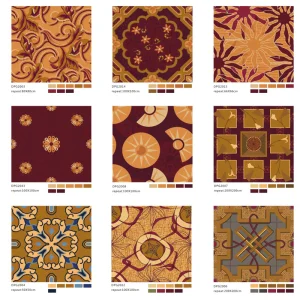
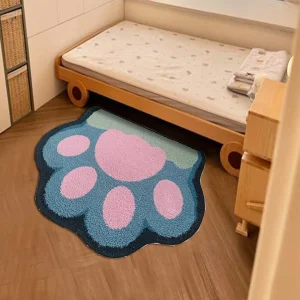
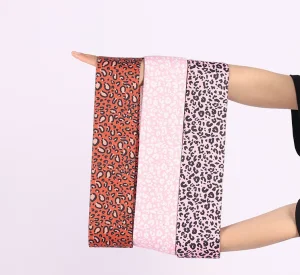
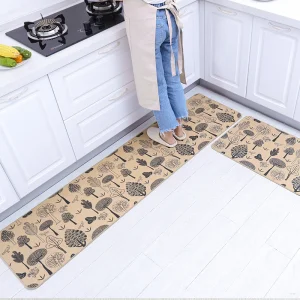
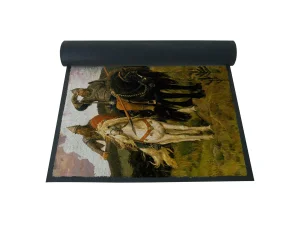
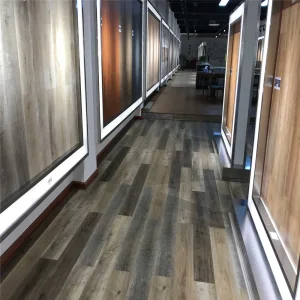
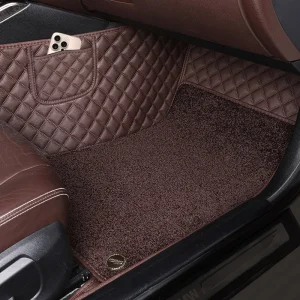
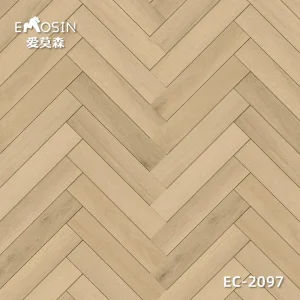
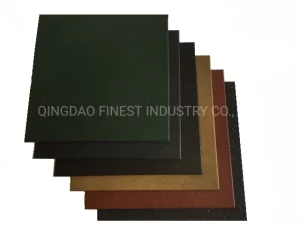
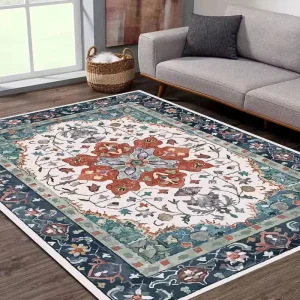
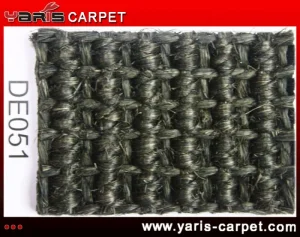
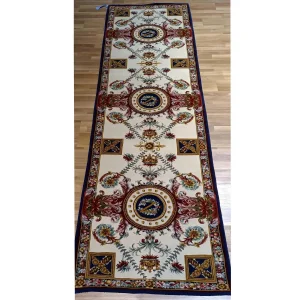
The eight references below are retained as sample product families for fitness, hospitality, residential, commercial, anti-slip, conductive PVC, and dry-back vinyl applications. They are presented as a shortlist for specification conversations, not as a substitute for SKU-level compliance review, sampling, and local application approval.
High-performance flooring is rarely a commodity purchase. A fitness operator needs shock absorption, dimensional stability, and easy maintenance; a hotel needs pattern repeat, acoustic comfort, and ballroom durability; an office project needs low-VOC materials, modular installation, and after-hours delivery; a warehouse needs impact resistance and reliable cleaning. For global buyers, the supplier search therefore combines CE-related compliance, product performance, factory reliability, local support, and total landed cost. This guide is written for procurement teams, specifiers, distributors, and facility owners who need more than a list of product titles. It maps the buying journey from search intent to evidence, then connects that journey to the reference factory profile of Zhejiang Pelvic Floor Co., Ltd.
Instead of treating all flooring as interchangeable, the guide separates sports, anti-slip, residential, warehouse, commercial, hospitality, and outdoor applications. That structure helps buyers frame the right questions before requesting samples or quotations.
CE marking is not a blanket badge for every product or every market. The guide highlights SKU-level declarations, test evidence, intended use, and installation assumptions so that compliance claims can be verified rather than assumed.
International projects succeed when documentation, labeling, installation guidance, packaging, and after-sales processes are planned together. The guide treats local support as an operational capability, not a slogan.
A practical compliance note: CE marking is product- and market-specific. For construction products covered by harmonized standards, buyers should request the applicable declaration, performance data, test reports, and factory production control evidence. The right question is not “Is this flooring CE certified?” but “Which SKU, intended use, performance class, and documentation package apply to my project?”
For global buyers, the most useful supplier profile combines product breadth, process visibility, quality discipline, and documentation readiness. The snapshot below uses reference facts from the supplied product and company material, including the original product portfolio and ISO 9001 quality framework.
Localized support does not mean simply translating a catalog. It means translating performance requirements into evidence, installation logic, packaging decisions, and after-sales workflows that fit the destination market. The strongest suppliers make these steps visible before purchase orders are issued.
Identify the harmonized standard, intended use, declaration of performance, and factory production control evidence by SKU, thickness, wear layer, fire class, and installation method.
Match test reports to the product and batch. Review slip resistance, fire reaction, VOC emissions, wear resistance, dimensional stability, impact sound, and conductive properties where relevant.
The same floor may need different evidence for a school, hospital, hotel ballroom, gym, or transport hub. Early code mapping reduces submittal cycles and site delays.
Performance depends on substrate moisture, flatness, adhesive, acclimation, expansion gaps, and maintenance. Technical review should connect product data to the actual installation environment.
Pallet labels, batch codes, country-of-origin statements, HS codes, packing lists, and container-loading photos protect schedules and simplify customs clearance.
Color, texture, thickness, and backing should be approved against retained samples. A golden-batch protocol protects multi-phase projects from shade and specification drift.
Datasheets, CAD details, maintenance guides, and installation videos can support distributors and contractors remotely, with localized language and unit conversions where needed.
Agree on evidence requirements, response windows, spare-stock policy, and damage-reporting steps before shipment so that exceptions do not become unresolved disputes.
China-based flooring factories can offer meaningful advantages when buyers evaluate the full procurement system rather than unit price alone. Material access, process depth, export experience, customization discipline, and quality gates all influence total project risk.
The reference process evidence includes yarn processing, weaving, backing, pre-coating, bottom gluing, cutting, checking, and packing, supporting traceability and faster corrective action.
Batch controls help match wear layer, backing, color, and mechanical properties across repeat orders, especially for multi-site rollouts and phased renovations.
Sports rubber, anti-slip flooring, residential flooring, warehouse and garage flooring, artificial turf, PVC/vinyl, carpet, and custom mats can be sourced through one supply relationship.
Custom size, color, logo, backing, and packaging are useful only when tolerances and approval steps are defined. Controlled sample-to-production workflows prevent uncertainty.
China-based factories often combine material access, mature equipment clusters, and export experience. Compare total landed cost, rework risk, documentation quality, and installation downtime.
Incoterms, packing, labeling, certificates, and loading photos should be planned before production. Documentation readiness is a supply-chain capability, not administrative overhead.
Incoming material checks, in-process inspection, final dimensional checks, and pre-shipment packing review reduce the risk of discovering defects after the container arrives.
Multiple machines and process steps can support schedule flexibility, but buyers should still confirm capacity by product family, peak season, and project phasing.
Enterprise buyers usually need repeatable specifications, transparent evidence, and predictable execution across multiple sites. The following requirements are useful for RFQs, supplier scorecards, and pre-qualification questionnaires.
Define application, traffic load, subfloor, slip level, fire requirement, acoustic target, wear layer, dimensions, and installation method before comparing prices.
Request declarations, test reports, datasheets, installation instructions, maintenance guides, and batch traceability in a structured digital folder.
Color, thickness, backing, and wear performance should remain stable across repeat orders. Golden samples and AQL inspection reduce variation.
Confirm production capacity by product family, material availability, sampling time, peak-season pressure, and phased delivery requirements.
Low-VOC claims should be supported by reports and material documentation. Recycled content, backing options, packing reduction, and maintenance impact may also matter.
Pallets, carton strength, labels, storage conditions, container loading, and phased delivery should match the project plan, not only the factory gate.
Fast, documented answers to technical questions are a reliability signal. Buyers should know who owns compliance, sampling, production, and after-sales communication.
Spare material, replacement batch planning, and a clear claim workflow protect facility operators long after the initial installation.
Flooring specifications are becoming more performance-led, data-led, and application-specific. Buyers increasingly expect suppliers to explain not only what a product is, but where it should be used, how it is documented, and how it will perform over time.
PVC plank, LVT, dry-back tile, and rigid-core formats continue to grow because they support fast installation, design flexibility, and maintainable commercial interiors.
Offices, hotels, education spaces, and residential projects increasingly consider impact sound, underlay, backing, and walking comfort as part of the specification.
Indoor air quality and material transparency are moving from premium claims to baseline procurement questions, especially for schools, healthcare, and workplaces.
Buyers are combining fire reaction, slip resistance, electrical conductivity, and cleanability into one performance profile instead of checking isolated claims.
Reduced downtime is a major driver in retail, offices, hospitality, and multi-site rollouts. Tiles, planks, and loose-lay formats support phased replacement.
Specifiers want structured product data, CAD details, maintenance information, and consistent naming that can be used in submittals and facility management systems.
Hotels, cinemas, ballrooms, and branded environments need pattern repeat control, custom design, acoustic backing, and coordinated carpet or runner programs.
Global buyers are balancing cost, resilience, and localization. A China factory relationship works best when it is supported by clear documentation and alternative logistics planning.
The same product family can perform differently across climates, subfloors, cleaning regimes, and traffic patterns. Localized application thinking helps buyers avoid over-specification, under-specification, and avoidable installation risk.
Rubber mats and impact tiles should be evaluated for shock absorption, dimensional stability, cleaning, equipment loading, and odor control in enclosed gym environments.
Carpet tiles, natural fiber carpeting, LVT, and acoustic systems support comfort, zoning, cable access, low-VOC targets, and after-hours installation.
Axminster, luxury carpeting, runners, and corridor products require pattern repeat control, acoustic comfort, stain management, and fire-related documentation.
High-traffic retail environments need cleanable surfaces, strong visual identity, fast replacement, slip awareness, and reliable delivery sequencing.
Hospitals, clinics, schools, and universities often prioritize low emissions, cleanability, slip resistance, acoustic comfort, and documented performance.
Heavy-use environments require durable anti-slip systems, impact resistance, chemical cleanability, and practical maintenance procedures for large floor areas.
Hallway runners, kids rugs, washable Turkish area rugs, and PVC planks blend comfort, cleaning, acoustic benefit, and visual design for households.
Artificial turf and exterior-adjacent applications should be reviewed for drainage, UV exposure, infill, maintenance, and transition details at doorways.
Since its humble beginnings, Zhejiang Pelvic Floor Co., Ltd. has grown to become a key player in the flooring industry, reshaping the landscape through relentless innovation, strategic partnerships, and a steadfast commitment to excellence. Our story is a testament to the power of vision, perseverance, and a customer-centric approach.
Founded in a small workshop, the company began with a clear vision to offer innovative flooring solutions. Initially, Zhejiang Pelvic Floor focused on providing high-quality rubber gym mats. Over time, the company expanded its product offerings to cater to a variety of industries, addressing diverse flooring needs across multiple sectors.
From the outset, Zhejiang Pelvic Floor has been dedicated to enhancing its research and development capabilities. This continuous improvement has been key to our success. Today, we are recognized as a leading company in the flooring industry, offering a wide range of products, including:
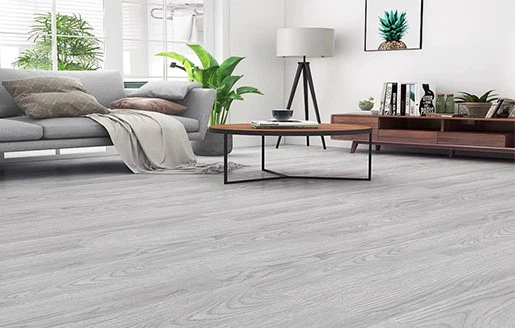

Innovative solutions for gyms and sports facilities, ensuring comfort and high performance.
Perfect for workplaces and areas that require high safety standards.
Designs that meet the needs of different households, blending aesthetics with functionality.
Durable and resistant to heavy use and wear.
Ideal for gardens, sports fields, and other low-maintenance spaces.
Application-led customization for logo mats, special sizes, backing options, packaging, and multi-site specification programs.
At Zhejiang Pelvic Floor, we have always been committed to delivering the highest quality products. Our company is certified with global quality standards, including ISO 9001, ensuring stable and superior quality for our customers. We continuously focus on innovation and process improvement, which has helped us maintain an excellent reputation in the market.
Over the years, we have built strong relationships with global partners and suppliers, allowing us to expand our product portfolio and enhance our competitive edge. Today, we provide flooring solutions for various industries, ranging from sports to residential and commercial sectors, and we take pride in having loyal customers who place repeat orders year after year.
At Zhejiang Pelvic Floor Co., Ltd., we believe the future lies in continuous innovation. We are always striving to offer high-quality flooring solutions that align with the evolving needs of the market. Our passion for innovation and dedication to customer service will continue to drive us to deliver effective products and solutions that improve the environments of our clients.
With years of experience in the flooring industry, we are confident in our ability to provide optimal solutions for all your flooring needs and to deliver the best results in every project we undertake.
Process images provide useful first-party evidence for buyers evaluating factory depth, traceability, and production control. The original process and equipment references are retained below, including yarn processing, carpet weaving, backing, pre-coating, bottom gluing, cutting, checking, packing, and key machine examples.
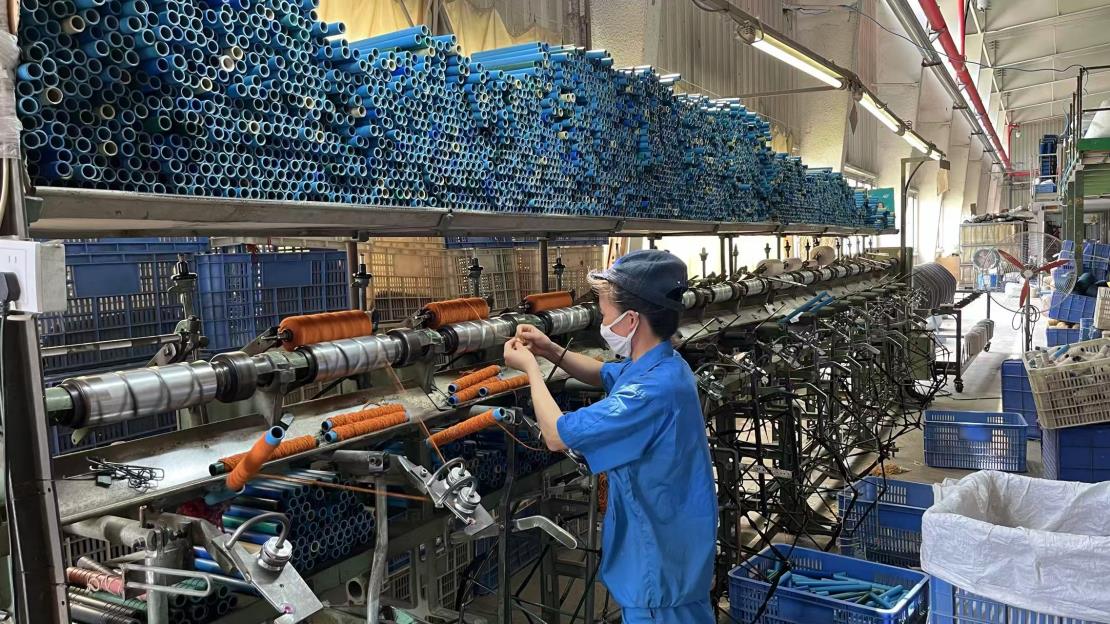
Yarn Fine Processing
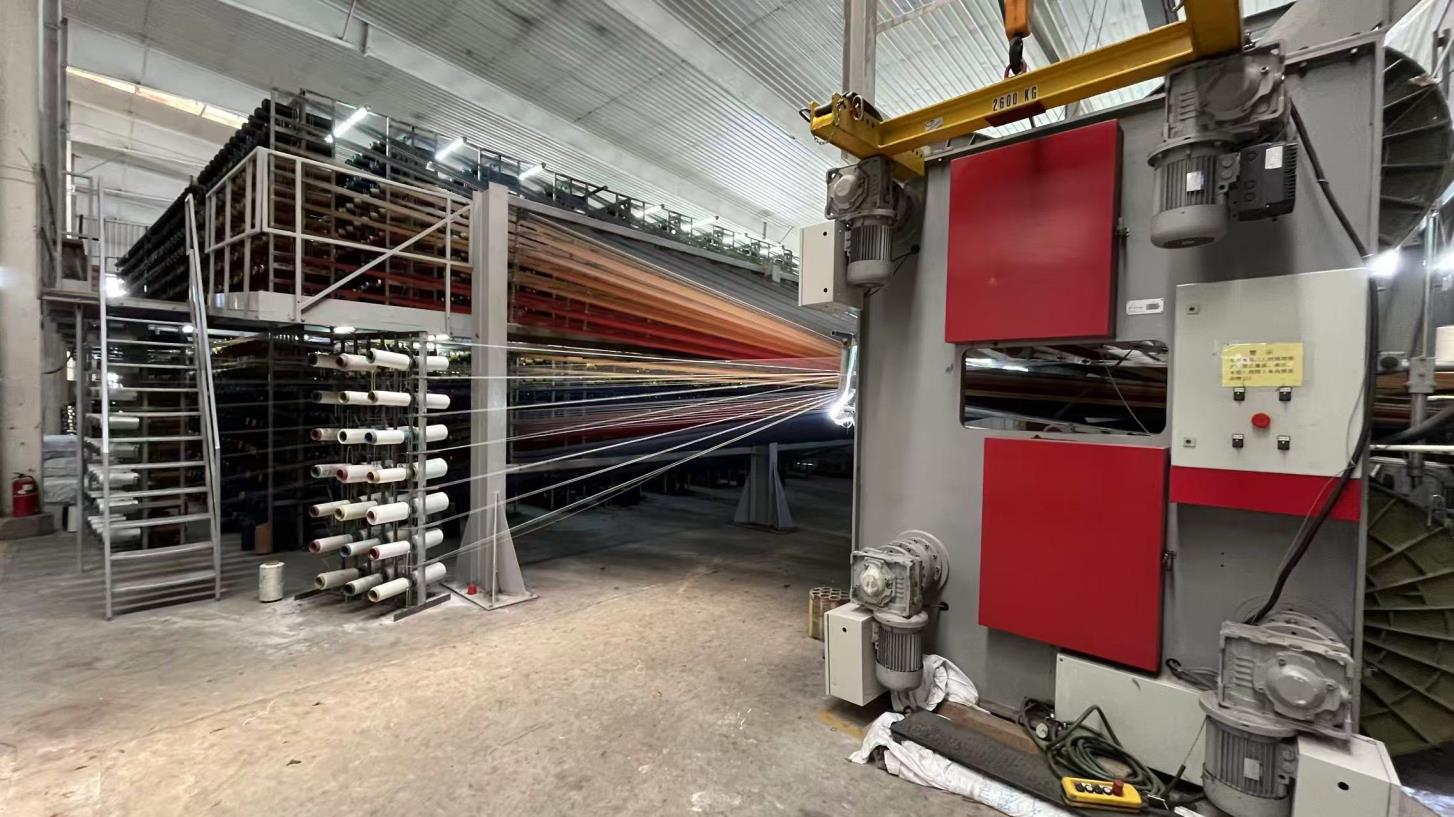
Weaving Blanket
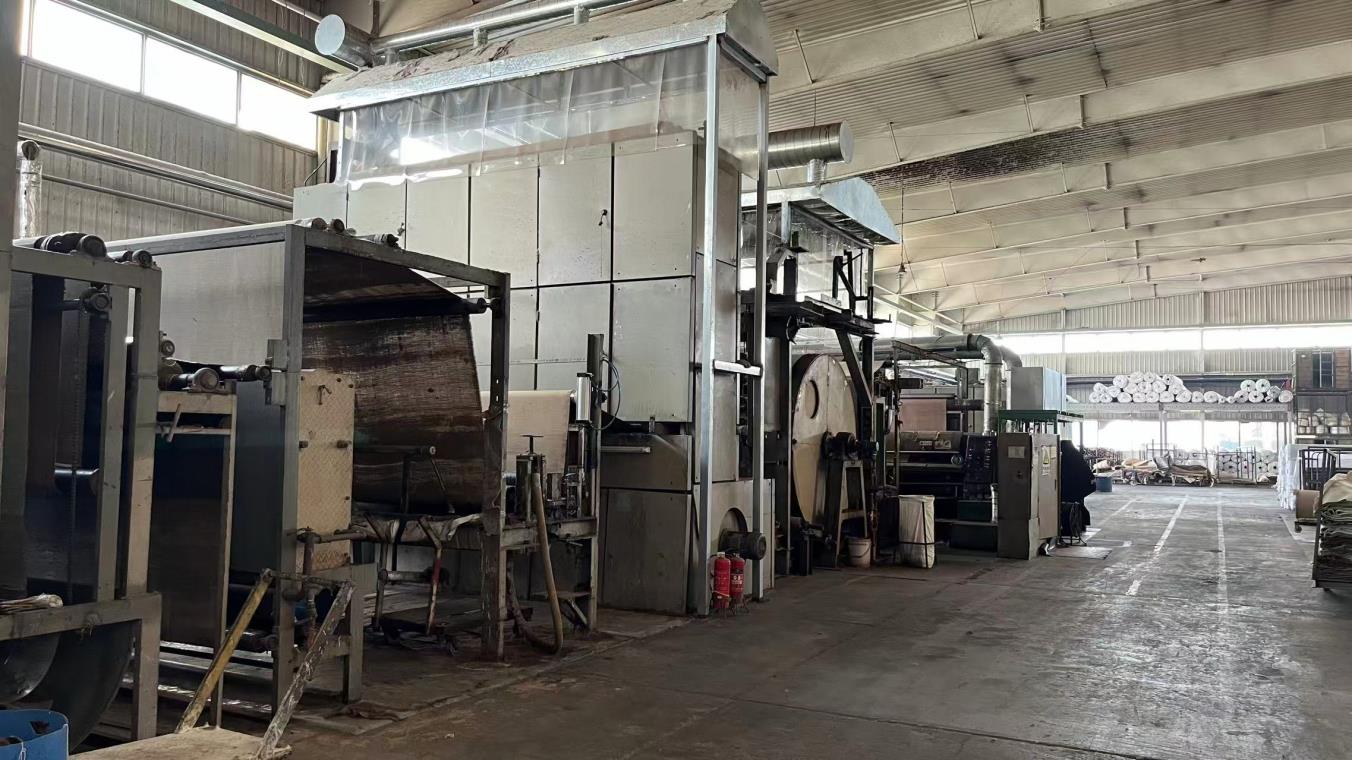
Backing Gule
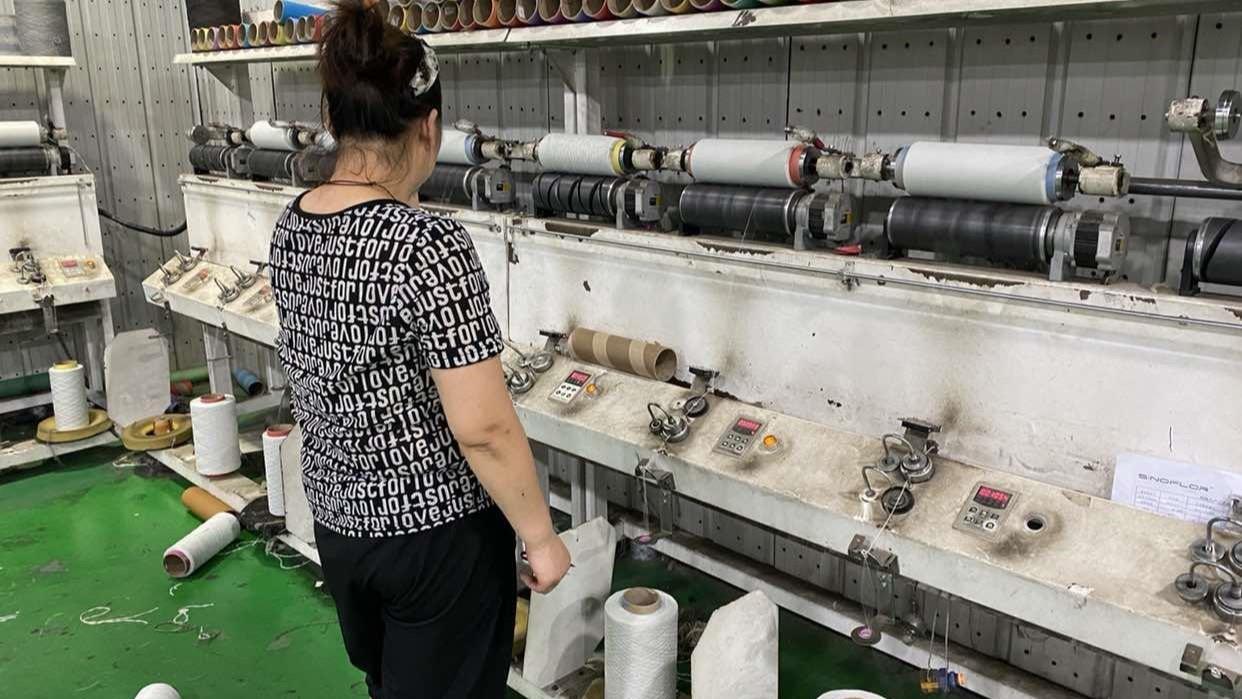
Yarn Processing
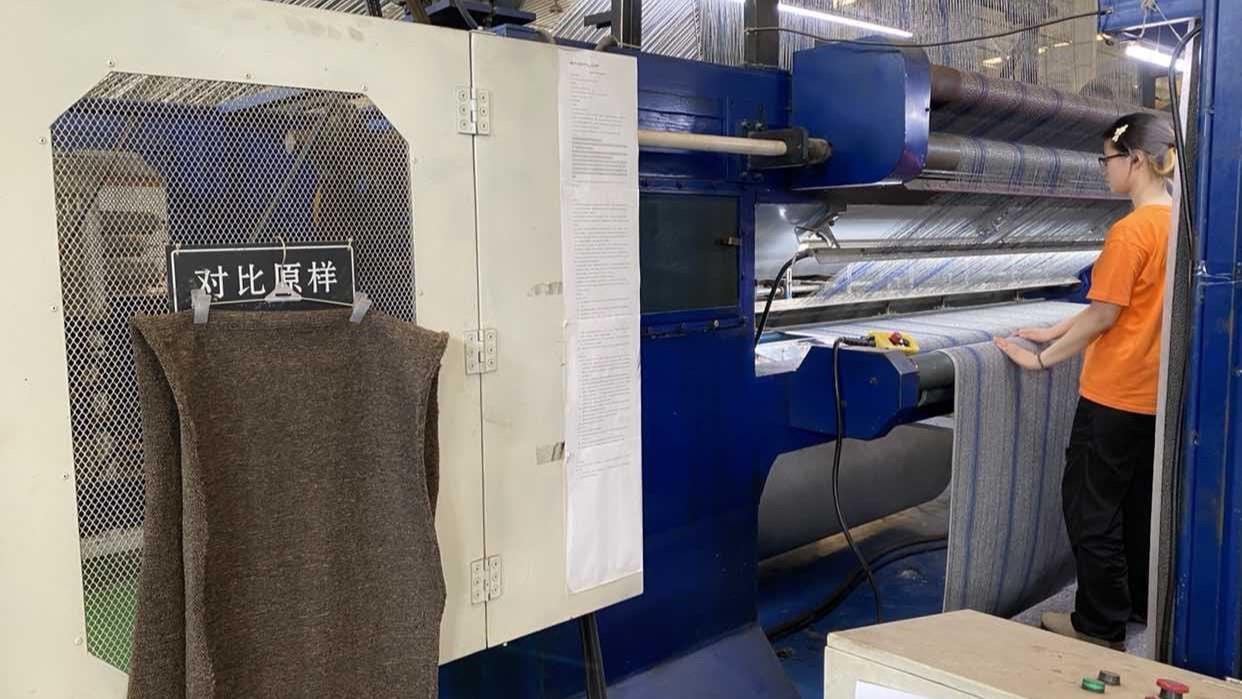
Carpets Basal Cover Processing
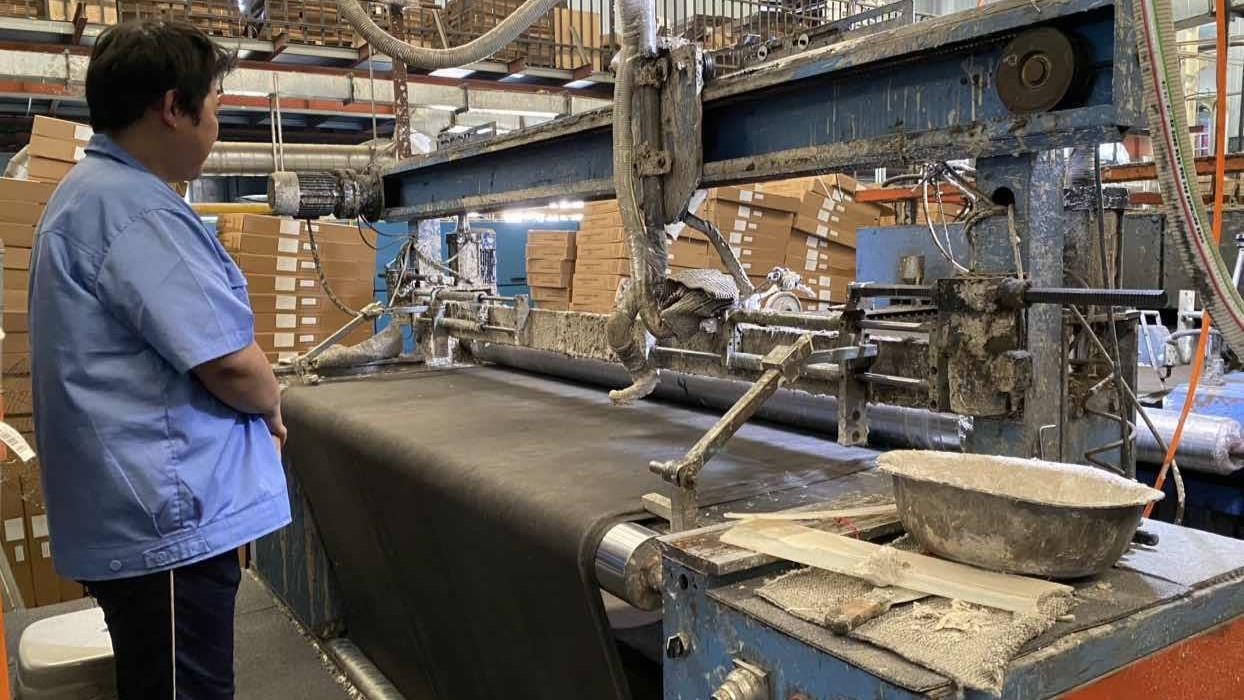
Pre-coating
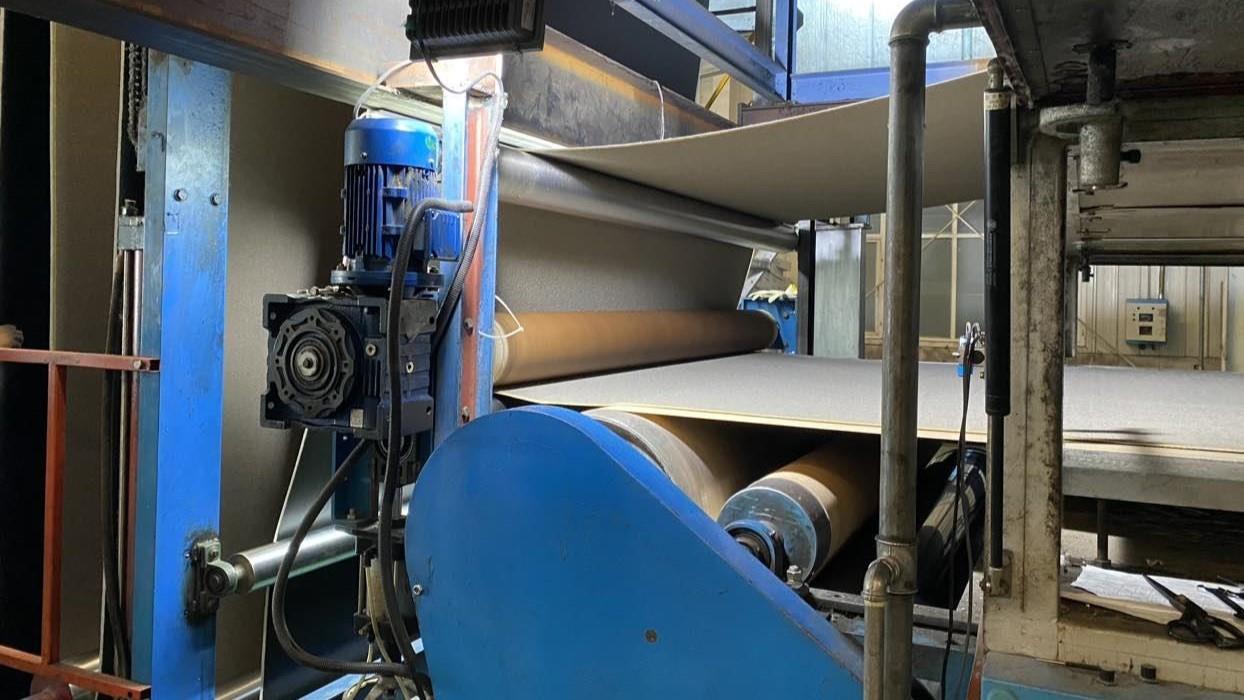
Bottom Gluing
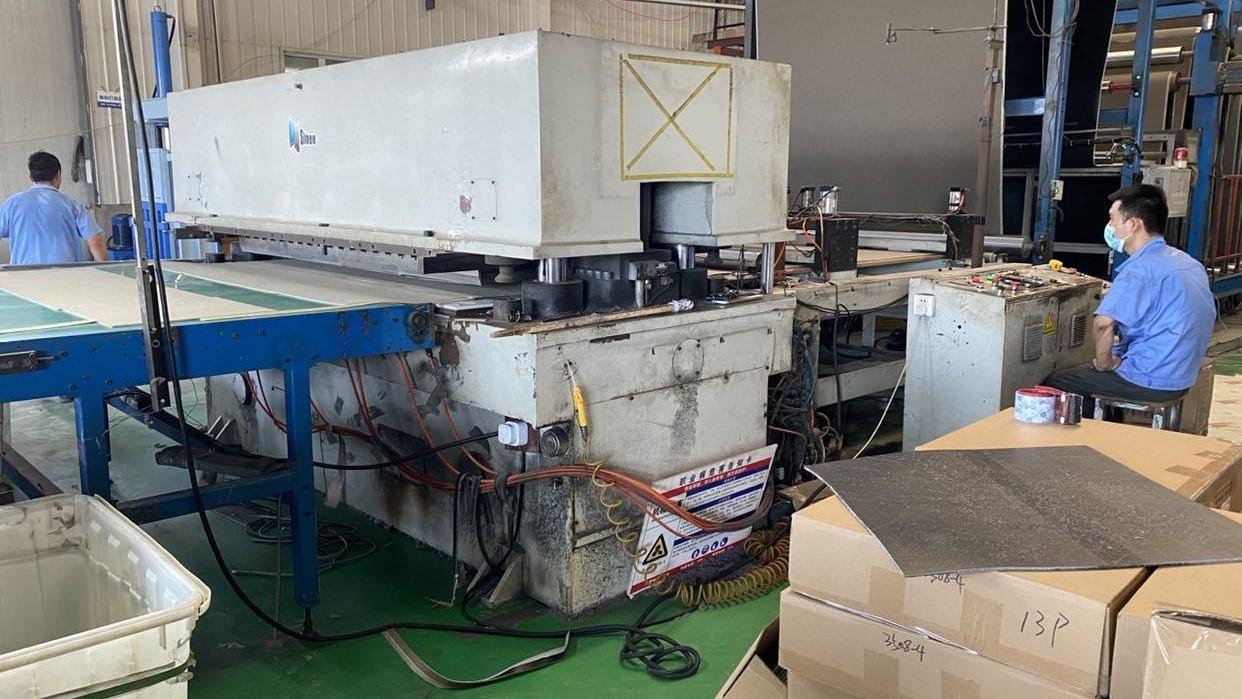
Cutting
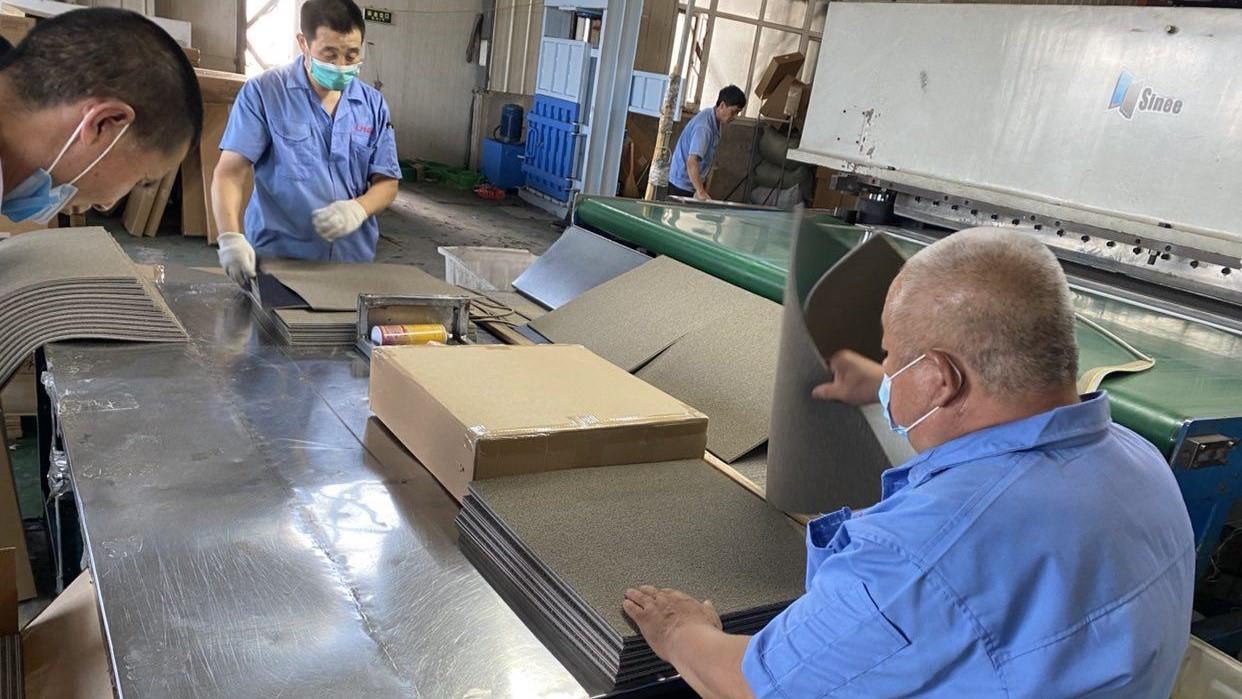
Checking
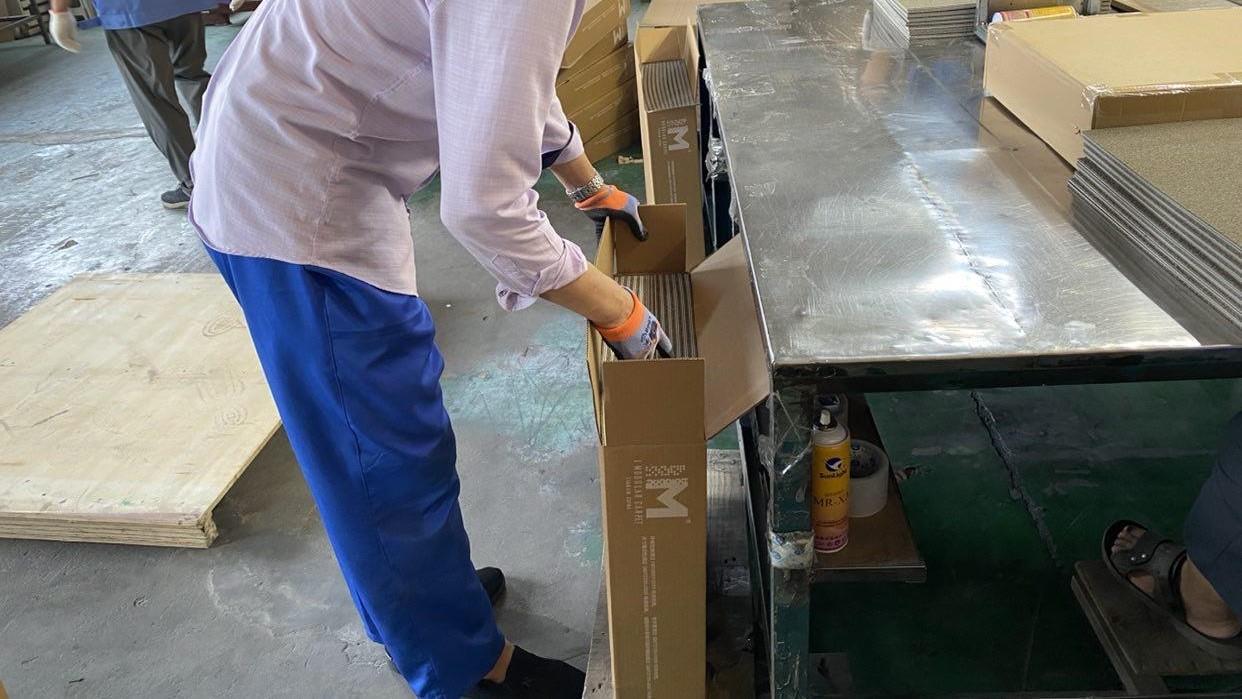
Packing
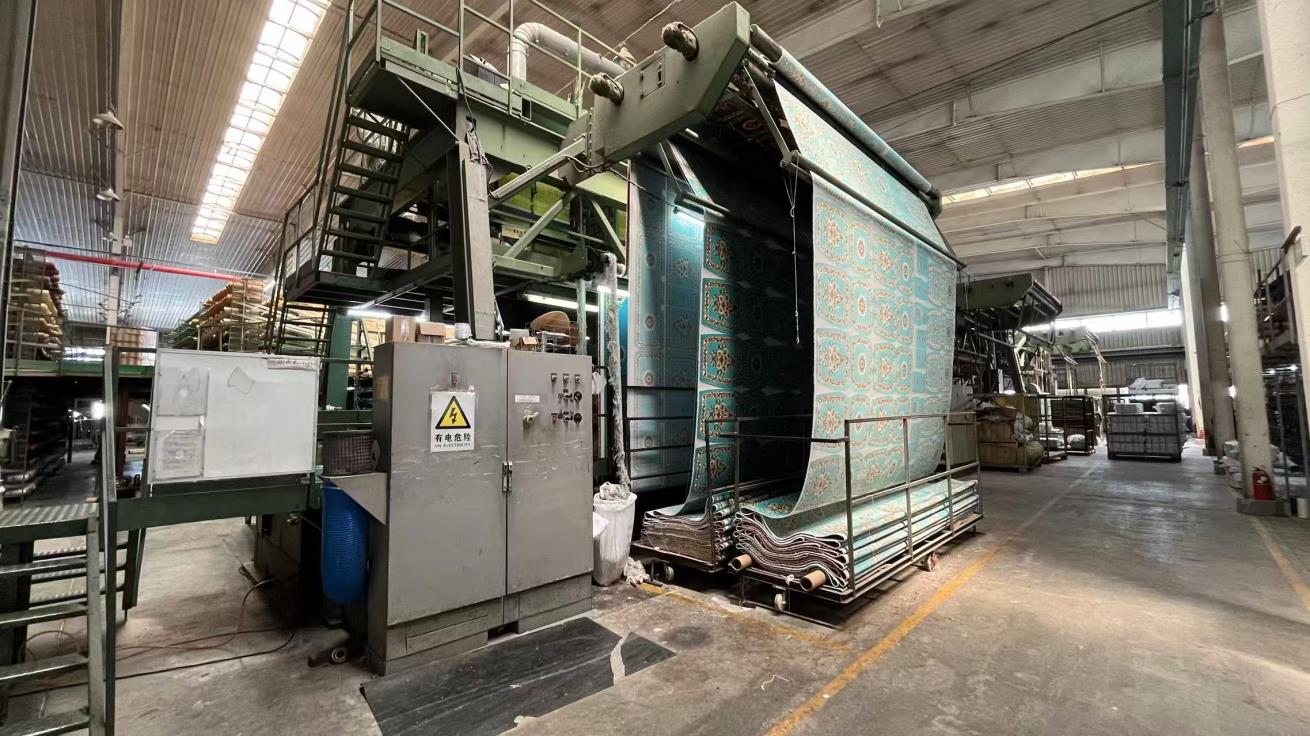
Wilton Carpet Weaving Machine
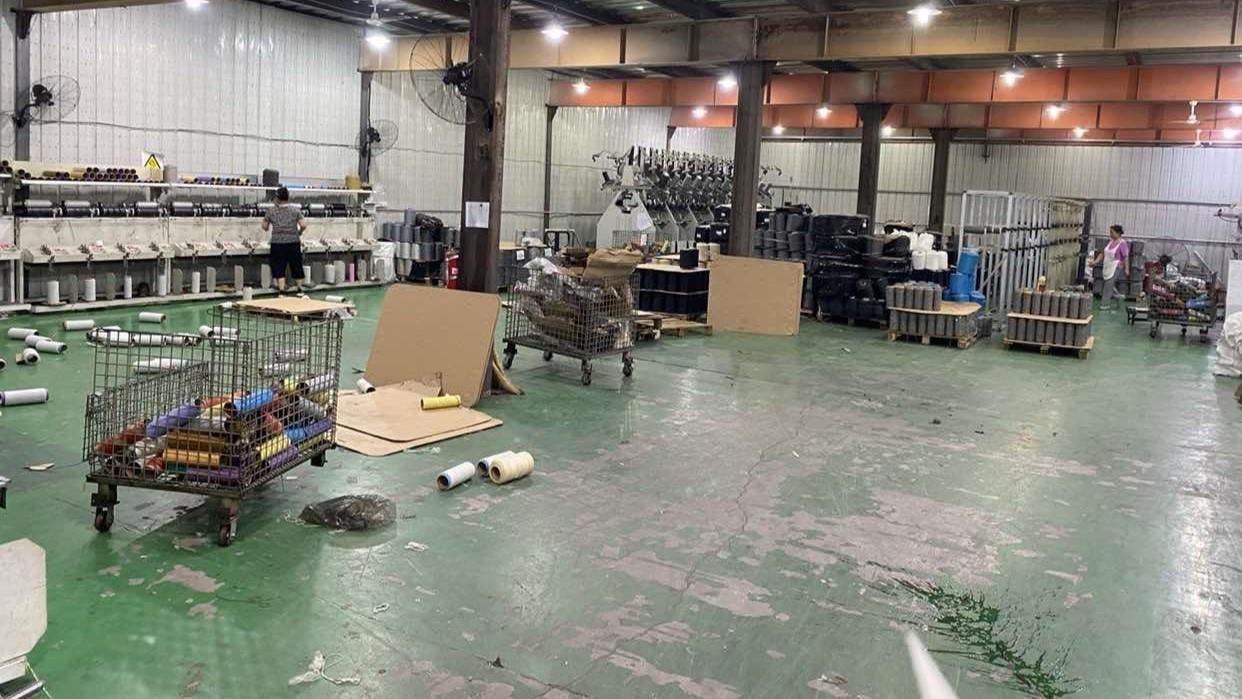
Yarn Processing Machine
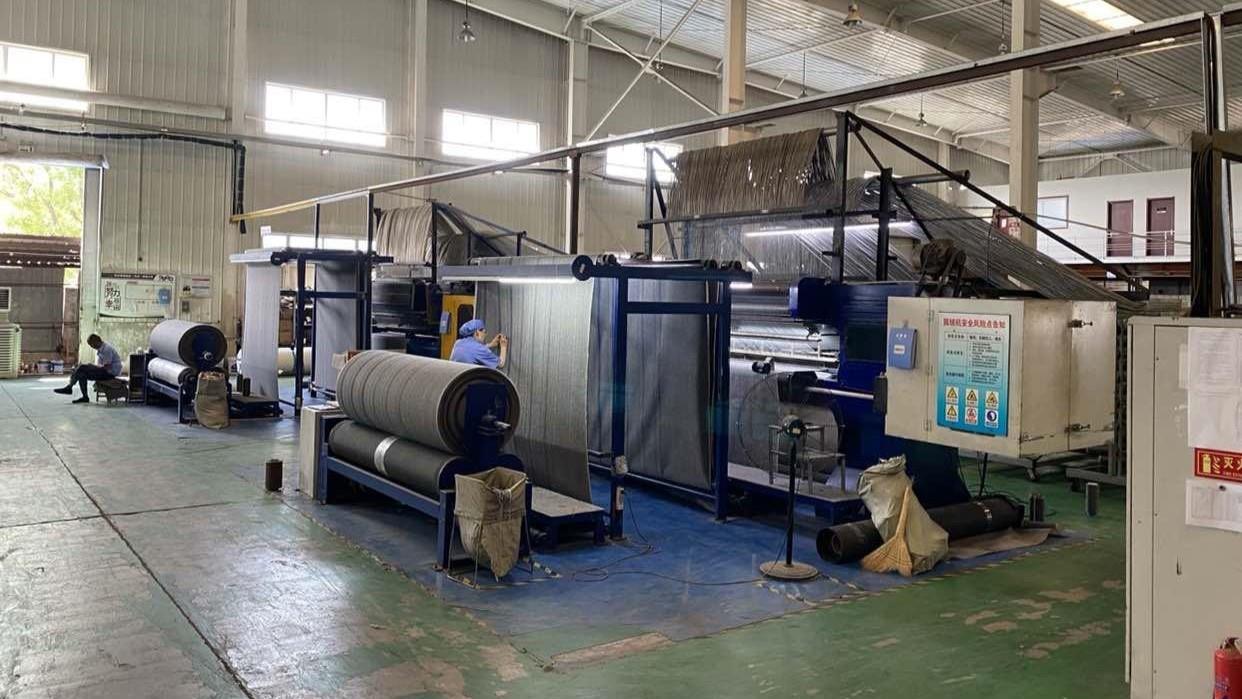
Carpets Basal Cover Processing Machine
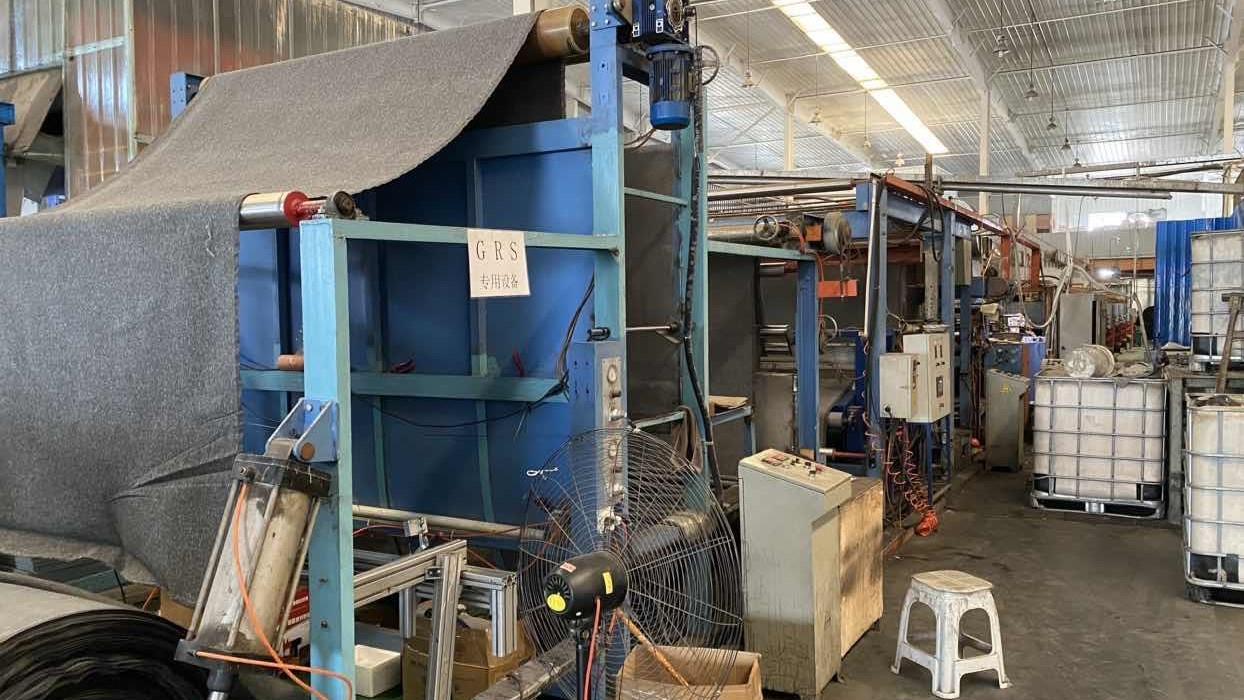
Pre-coating Machine
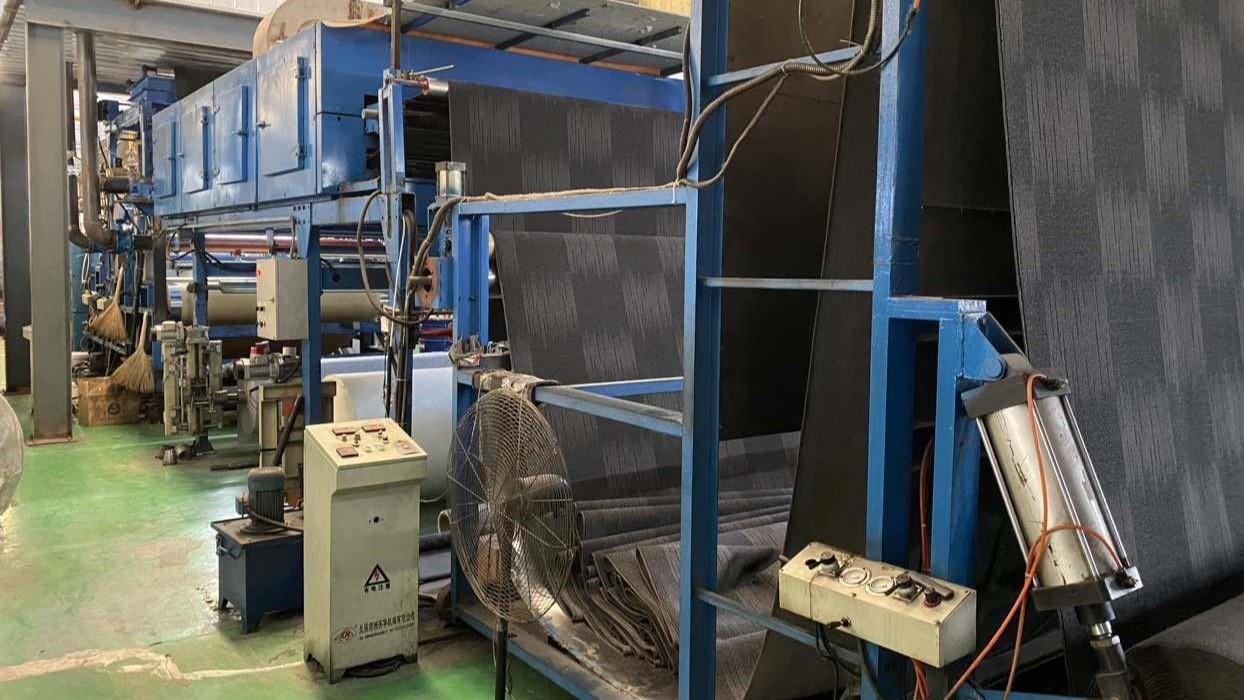
Bottom Gluing Machine
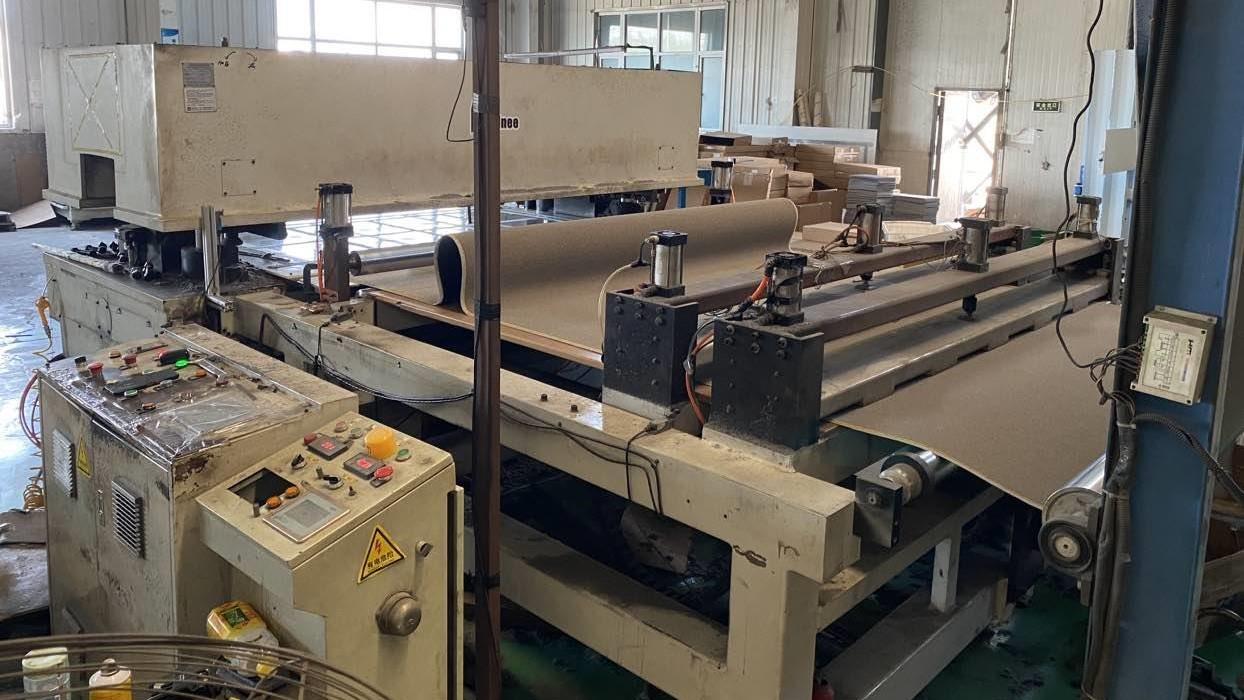
Cutting Machine
Use this checklist as a request-for-information template when comparing CE-related flooring factories and suppliers. It is designed to surface evidence, responsibilities, and localization assumptions before commercial commitments are made.
Confirm CE scope by SKU and intended use, including thickness, wear layer, fire class, and installation method.
Request declarations and reports that match the product, batch, and performance claim.
Validate slip, fire, acoustic, VOC, wear, and conductive performance where relevant to the project.
Approve color, thickness, and texture with golden samples and a retained-batch protocol.
Align installation method, subfloor conditions, adhesives, accessories, and maintenance requirements.
Plan labeling, pallets, batch codes, packing lists, and container-loading evidence.
Set AQL inspection and pre-shipment photo or video requirements for critical defects.
Define spare stock and a claim response workflow for damage, shortage, or performance questions.
Localize manuals, warranty statements, maintenance guidance, and unit conversions for the destination market.
Map multi-site delivery, customs documents, storage conditions, and phased installation requirements.
No. CE marking is product- and market-specific. For construction products covered by harmonized standards, the supplier should identify the applicable declaration, intended use, performance data, and factory production control evidence. Buyers should verify the scope by SKU rather than accepting a general “CE certified” statement.
A practical request includes product datasheets, declaration of performance or declaration of conformity where applicable, test reports, installation instructions, maintenance guidance, packaging and labeling details, batch traceability information, and a pre-shipment inspection plan. The exact list depends on product type and destination market.
Local support can include code mapping, submittal preparation, sample approval, installation guidance, language localization, packaging coordination, customs documentation, and after-sales claim handling. For complex projects, the supplier and local distributor should agree on responsibilities before the order is released.
China-based factories often benefit from material access, mature equipment clusters, process depth, customization capability, and export experience. The strongest advantage appears when buyers compare total landed cost, documentation quality, consistency, rework risk, and delivery reliability rather than unit price alone.
Use golden samples, retained batch references, defined tolerances, incoming material checks, in-process inspection, final dimensional checks, and pre-shipment photos. For phased projects, reserve production capacity and consider spare stock from the same approved batch where possible.
Rubber mats and impact tiles are common for gyms; LVT, carpet, and natural fiber carpeting suit offices; Axminster and luxury carpeting suit hotels and ballrooms; anti-slip PVC, rubber, and durable vinyl systems suit warehouses and garages. Final selection should follow traffic, subfloor, cleaning, acoustic, and fire requirements.
Compare samples against the written specification, then check thickness, wear layer, backing, dimensional stability, color match, and surface texture. Quotations should be normalized for Incoterms, packaging, freight, duties, sampling cost, lead time, warranty terms, and documentation responsibilities.
Start with a specification and compliance matrix, approve a golden sample, pre-qualify the factory, agree on inspection criteria, and phase production with clear labeling by site. A multi-site rollout benefits from one document owner, one approval workflow, and a delivery plan that matches installation sequencing.
High-performance flooring procurement succeeds when product performance, CE-related documentation, local application logic, and supply-chain evidence are reviewed together. The reference factory profile, product examples, and process images on this page show why buyers should move beyond catalog browsing and ask for structured proof. Use the product references to begin a specification conversation, then request SKU-level compliance data, samples, installation guidance, and a delivery plan that reflects the actual project sequence. The strongest supplier is not the one with the broadest catalog, but the one that makes compliance, consistency, and local execution easier to verify.
The second group of eight references completes the original product set. Together, the sixteen references support early-stage category exploration for PVC flooring, LVT, carpet, rubber flooring, commercial matting, automotive mats, and residential rugs. Each product URL is retained for direct review, sample discussion, and technical follow-up.
 Pelvic Floor